
Every child learns in a different way and at a different pace. Some children grasp concepts quickly, while others need more time, more repetition, or more personalized attention. These differences are completely normal, and modern CBSE schools recognize that learning is not a race. Instead, the focus is on identifying each child’s needs and providing the right support to help them grow with confidence.
Parents often wonder how CBSE schools handle slow learners and what systems they have in place to ensure every child progresses comfortably. Slow learning does not mean a lack of intelligence or ability. It only means the child requires more time or a different approach to understand lessons, express ideas, or complete tasks. CBSE schools today follow learning methods that are sensitive, flexible, and individualized.
This guide explains in detail how CBSE schools support slow learners, the strategies teachers use, and how schools create an inclusive learning environment where every child feels valued.
kumbakonam best school
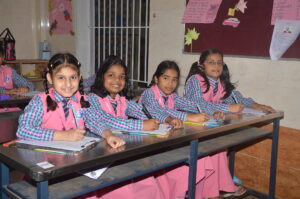
How CBSE schools support slow learners?
Understanding Slow Learners in a CBSE Environment
A slow learner is a child who learns at a pace slightly slower than the general classroom expectation. This can be due to many reasons, including:
Learning style differences
Difficulty in attention or focus
Need for more repetition
Lack of confidence
Emotional or social challenges
Language-related difficulties
CBSE schools are trained to identify such learning patterns early so children receive the right support before the gap becomes wider. The aim is not to label the child, but to understand their learning needs in a non-judgmental and positive manner.
How CBSE Schools Identify and Understand Slow Learners
CBSE schools use observation, interaction, classroom activities, and teacher feedback to understand a child’s learning needs. Instead of using scores or marks to judge ability, teachers closely monitor:
How the child participates in class
How they respond to questions
Their communication and listening skills
Their ability to follow instructions
Their interest levels in different subjects
Their social interaction with peers
These indicators help teachers recognize when a child might need additional guidance, extra attention, or modified teaching strategies.
Methods Used by CBSE Schools to Support Slow Learners
CBSE schools adopt a range of child-friendly, inclusive learning methods. These techniques allow slow learners to understand lessons at their own pace without feeling pressured or discouraged.
Personalized Teaching Approach
Teachers give slow learners more time, more examples, and more one-on-one explanation. Lessons are broken down into smaller parts so the child can follow easily. Teachers also ask more guided questions to help them think step-by-step.
Remedial and Reinforcement Classes
Many CBSE schools conduct remedial sessions either during or after school hours. These classes focus on revision, clarification of doubts, extra practice, and strengthening foundational concepts.
Activity-Based Learning
Children who face difficulty with traditional learning often respond better to activity-based methods. CBSE schools use:
Hands-on activities
Practical demonstrations
Story-based learning
Visual charts and models
Learning games
This makes lessons more interesting and easier to understand.
Continuous, Low-Pressure Assessments
Instead of high-pressure tests, CBSE schools use regular small checks such as:
Short exercises
Oral questions
Class participation
Project work
Worksheets
These help teachers understand the child’s progress without making the learner anxious.
Small Learning Groups
Teachers often divide students into smaller groups for specific tasks. Slow learners benefit greatly from this because they receive more personalized attention and support.
Encouraging Confidence and Motivation
Slow learners sometimes lose confidence when they compare themselves with faster learners. CBSE teachers ensure children feel valued by:
Celebrating small achievements
Giving positive feedback
Allowing the child to express ideas
Encouraging participation in activities
Creating a non-competitive classroom environment
Confidence plays a major role in learning improvement.
Use of Visual and Multi-Sensory Learning
Children who struggle with listening-based instruction often learn better when lessons include:
Images
Charts
Videos
Flashcards
Mind maps
This multi-sensory approach helps slow learners process information more effectively.
Parental Involvement and Guidance
CBSE schools regularly communicate with parents to provide:
Home learning strategies
Simple practice exercises
Behavioral insights
Progress updates
When the school and home work together, slow learners improve faster.
Creating an Inclusive Learning Environment
The most important way CBSE schools support slow learners is by creating a classroom atmosphere where students feel safe, respected, and encouraged. Teachers ensure that slow learners are not compared, criticized, or made to feel left behind. Instead, the environment promotes:
Patience
Understanding
Cooperation
Self-paced learning
Acceptance of different abilities
When slow learners feel emotionally secure, they are more willing to participate, ask questions, and try new challenges.
Special Programs and Support Systems in CBSE Schools
Many CBSE schools also introduce structured programs for learning support. Some examples include:
Individual Education Plans (IEPs)
Learning support departments
Peer learning programs
Reading improvement sessions
Counseling and emotional support
Language support for children with communication difficulties
These programs are designed to help slow learners develop skills gradually and comfortably.
How Teachers Play a Vital Role in Supporting Slow Learners
Teachers are trained to recognize learning challenges and adjust their teaching methods accordingly. Their responsibilities include:
Adapting lesson plans
Identifying strengths and areas of improvement
Using patient and encouraging communication
Providing extra explanation when needed
Understanding each student’s learning style
A supportive teacher can transform a slow learner’s mindset by helping them feel capable, intelligent, and motivated.
How CBSE Schools Avoid Pressure and Promote Healthy Learning
CBSE schools that follow child-centered learning do not create pressure on slow learners. Instead of pushing them to compete with others, schools focus on individual progress. Children are encouraged to improve at their own pace, and teachers help them build study habits without stress.
This approach helps slow learners:
Develop better concentration
Show more interest in lessons
Participate without fear
Enjoy learning
Take responsibility for their progress
The goal is long-term understanding, not short-term performance.
Long-Term Benefits of Supporting Slow Learners
When slow learners receive timely support, they gradually develop:
Stronger foundational knowledge
Better communication skills
Improved confidence
Positive attitude toward learning
Ability to work independently
Better emotional stability
These benefits stay with the child throughout their academic journey and future life experiences.
FAQs
What is a slow learner in CBSE schools?
A slow learner is a child who needs more time, guidance, or repetition to understand lessons. CBSE schools view slow learning as a natural variation in learning pace, not a problem.
Do CBSE schools give special attention to slow learners?
Yes. CBSE schools provide individual support, remedial classes, personalized teaching, and activity-based learning to help slow learners improve comfortably.
Are slow learners separated from other children?
No. Slow learners are included with other children. Schools may offer additional guidance, but they are not isolated.
Do slow learners need extra practice at home?
Some children benefit from simple home-based practice. Teachers usually guide parents on how to help without adding pressure.
How do teachers identify slow learners?
Teachers observe classroom participation, communication style, response time, and learning behavior to understand the child’s needs.
Can slow learners improve over time?
Yes. With the right support, patience, and confidence-building, slow learners develop at their own pace and show strong long-term progress.
Do CBSE schools label children as slow learners?
No. CBSE schools avoid labels. They focus on strengths, interests, and gradual growth.
How do schools motivate slow learners?
Teachers use positive reinforcement, small learning goals, interactive activities, and personal encouragement to build motivation.