
Choosing the right school plays a crucial role in shaping a child’s future, personality, and learning abilities. Among the different education boards in India, CBSE (Central Board of Secondary Education) stands out for its structured curriculum, balanced approach, and student-friendly learning system. Many parents today prefer CBSE schools because they not only focus on academic excellence but also on holistic child development, which includes emotional, social, physical, and intellectual growth.
In this detailed guide, let’s explore how CBSE schools contribute effectively to child development, why the CBSE curriculum is considered student-centric, and what unique benefits children gain by studying under this board.
cbse schools in kumbakonam
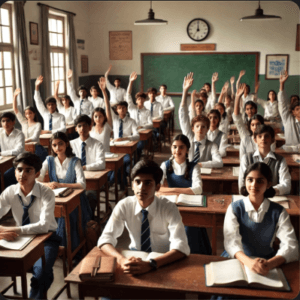
How CBSE schools help in child development?
1. A Structured and Well-Researched Curriculum
The CBSE curriculum is designed by experts after detailed research and understanding of child psychology. This ensures that the learning process matches the age, ability, and development level of students. Unlike traditional rote-learning methods, CBSE encourages:
Logical thinking
Concept-based understanding
Real-life applications
Gradual skill development
The curriculum reduces unnecessary pressure on students and promotes efficient learning rather than heavy memorization. This well-balanced structure ensures that children grow both academically and intellectually.
2. Focus on Conceptual Learning, Not Mugging Up
One of the strongest pillars of CBSE education is its emphasis on conceptual clarity.
Children are encouraged to understand the “why” behind every topic, which leads to:
Improved problem-solving ability
Long-term retention of knowledge
Better performance in real-life situations
Strong foundation for competitive exams
Because subjects like Mathematics and Science are taught in a simplified and systematic way, children gradually develop analytical thinking and logical reasoning.
3. Student-Friendly Teaching Methods
CBSE schools use interactive and activity-based teaching methods that suit different learning styles. These include:
Smart classrooms
Audio-visual learning
Group activities
Project-based assignments
Hands-on experiments
Story-based and example-based teaching
Such methods help children understand topics easily and ensure that learning remains engaging and enjoyable. When learning is fun, children naturally become more confident, curious, and self-driven.
4. Development of Life Skills and Values
CBSE education is not limited to textbooks. Schools incorporate life skills, moral values, and personality-building activities into the curriculum.
Students learn:
Time management
Problem-solving
Leadership
Teamwork
Communication
Decision-making
Emotional control
Through activities, morning assemblies, value education sessions, and group tasks, CBSE schools shape a child’s overall personality, helping them become responsible and emotionally strong individuals.
5. Strong Emphasis on Co-Curricular Activities
Child development is incomplete without sports, arts, and extracurricular involvement. CBSE schools offer:
Sports programs
Yoga and physical training
Art and craft
Dance and music
Debates and quizzes
Science clubs
Language clubs
Olympiad training
Field trips
These activities help children discover their interests and talents while improving:
Creativity
Physical fitness
Team spirit
Mental strength
Social confidence
Schools are encouraged by CBSE to maintain a balanced calendar to ensure students grow multi-dimensionally.
6. Continuous and Comprehensive Evaluation (CCE)
To reduce exam pressure and encourage overall growth, CBSE uses continuous evaluation through:
Class tests
Assignments
Projects
Activities
Practical work
Presentations
This method allows teachers to understand a child’s strengths and weaknesses early and offer personalized support. Continuous evaluation also helps children stay engaged and disciplined throughout the year.
7. Support for Slow Learners and Diverse Learners
A major strength of CBSE schools is that they adopt inclusive education policies, ensuring every child gets equal learning opportunities.
They provide:
Remedial classes
Learning support programs
One-to-one guidance
Activity-based slow learner modules
Emotional and behavioral support
Teachers are trained to handle different types of learners and offer flexible teaching approaches. This helps children learn at their own pace, without feeling left behind.
8. Strong Foundation for Competitive Exams
CBSE syllabus is aligned with national-level competitive exams like:
NEET
JEE
UPSC
NDA
Olympiads
The curriculum follows NCERT books, which form the base for most entrance exams. From a young age, students learn:
Logical reasoning
Analytical thinking
Problem-solving
Conceptual clarity
This early exposure builds a strong academic foundation.
9. Encourages Discipline and Good Behaviour
CBSE schools follow strict discipline policies that help children learn:
Respect
Responsibility
Self-control
Good manners
Social ethics
This disciplined environment shapes the character and behavior of children, making them well-prepared for future challenges.
10. Safe and Supportive School Environment
CBSE mandates safety guidelines that schools must follow, such as:
CCTV surveillance
Safe transportation
Anti-bullying rules
Clean campus
Health and hygiene practices
Emergency readiness
A safe and caring environment allows children to focus on learning and personal growth without fear or stress.
11. Exposure to Modern Technology
CBSE schools integrate technology into learning to prepare children for the digital future. Students experience:
Smart boards
E-learning tools
Coding basics
Robotics labs
Digital projects
Online assessments
This exposure helps children develop future-ready skills and adapt to the evolving world.
12. Fosters Creativity and Innovation
CBSE encourages children to think creatively and innovate through:
Science fairs
Art exhibitions
Startup and entrepreneurship clubs
Critical thinking sessions
Hands-on experiments
This helps children become confident innovators instead of passive learners.
Why CBSE Schools Are Best for Child Development
CBSE schools do far more than teach chapters and conduct exams. They play a vital role in shaping the child’s personality, future, attitude, skills, and emotional strength. Through a balanced combination of academics, co-curricular activities, life skills, values, and discipline, CBSE schools help children grow into:
Confident individuals
Creative thinkers
Strong performers
Responsible citizens
Future-ready learners
If your goal is to provide your child with a holistic and structured education, CBSE schools offer one of the best environments for healthy and all-round development.
FAQs
1. How do CBSE schools support overall child development?
CBSE schools follow a structured curriculum that focuses on academics, life skills, sports, discipline, and co-curricular activities. This balanced approach ensures a child grows intellectually, emotionally, socially, and physically.
2. Are CBSE schools good for personality development?
Yes. CBSE schools encourage public speaking, leadership tasks, group projects, cultural activities, and value education, all of which build confidence, communication skills, and personality traits in children.
3. How does the CBSE syllabus help children learn better?
The CBSE syllabus is concept-based and age-appropriate. It reduces memorization and promotes understanding, logical thinking, and analytical skills. This helps children learn easily and retain knowledge longer.
4. Do CBSE schools provide support for slow learners?
Most CBSE schools offer remedial classes, personalized attention, skill-based worksheets, and teacher support for slow learners. The Continuous Evaluation system helps identify learning gaps early.
5. What activities in CBSE schools contribute to child development?
CBSE schools offer sports, yoga, music, arts, dance, debates, clubs, field trips, and competitions. These activities build creativity, teamwork, discipline, and physical fitness.
6. How does CBSE teaching improve analytical and logical skills?
CBSE encourages practical learning, problem-solving exercises, experiments, and real-life applications. This method strengthens reasoning, critical thinking, and logical processing in students.
7. Do CBSE schools follow a safe and student-friendly environment?
Yes. CBSE mandates safety measures like CCTV, transport standards, hygiene, trained teachers, and anti-bullying rules. A safe environment helps children learn confidently and stay stress-free.
8. What is the role of technology in CBSE schools?
CBSE schools integrate smart classrooms, digital tools, e-learning apps, and project-based learning. This technological exposure helps children adapt to modern education and future careers.
9. How does CBSE prepare children for future exams and careers?
CBSE aligns closely with NCERT books, which form the base for competitive exams like NEET, JEE, NDA, and UPSC. Early conceptual training helps children build strong academic foundations.
10. Is CBSE better than other boards for child development?
CBSE offers a good balance of academics, activities, discipline, and skill-building. It suits children who need structured learning, national-level exposure, and a stress-free evaluation system.